colored pencils in a container
|

Narcan could be required at schools

By Mackenzie Mays

Los Angeles Times

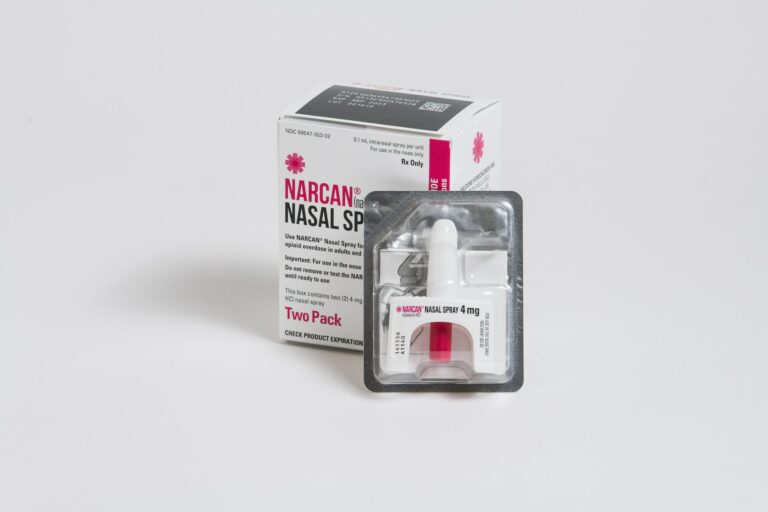
SACRAMENTO >> Following spates of fentanyl overdoses among students, California public schools could be required to provide Narcan on campuses — a nasal spray that can reverse deadly effects of opioids.

The proposal is part of legislation introduced by both Democratic and Republican state lawmakers this week that aims to increase information about the presence of fentanyl on K-12 campuses, which can be fatal and consumed unknowingly when it’s hidden in other drugs such as oxycodone and Adderall.

The Los Angeles Police Department reported that at least seven teenagers overdosed from pills possibly containing fentanyl this year, including a 15-year-old girl who died in September.

In the opening week of the new legislative session, Assemblymember Joe Patterson (R-Rocklin) introduced AB 19, which would require schools in California to have at least two doses of emergency naloxone such as Narcan on campus in case of an overdose.

Patterson, a father of four who was sworn into the state Legislature on Monday, said the issue is bipartisan and he’s faced no opposition to the legislation.

But the details of the proposal — including the undetermined cost — could be tricky. The legislation comes as California is facing an estimated $25-billion budget deficit, and state programs that offer Narcan are already in high demand.

“I do think the state will have an obligation to pay for this in our schools if they’re mandating schools do it,” Patterson said. “It’s not going to be the smallest of costs but it’s definitely a lot cheaper than the health effects associated with being on this drug and saving a life.”

Patterson said he would like Narcan to be on all 10,000-plus K-12 campuses in California but is open to starting with just middle and high schools if needed because of cost and supply constraints. While big districts in Los Angeles, Sacramento and Fresno already stock the medication, not every district has the funds or motivation to do so on their own, Patterson said, and comprehensive, statewide public education is needed.

Similar Posts

  • Marin Health Officials Track Illicit Drug Use by Testing Wastewater

    By: Lesley McClurg Public health officials in Marin County are now tracking illicit drugs in local wastewater — everything from nicotine to methamphetamine and fentanyl. Testing sewer water can illustrate exactly what is “hot” and where, offering a more accurate picture of the drug crisis than simply counting overdoses. “We know now that our clinical…

  • The FDA approves the overdose-reversing drug Narcan for over-the-counter sales

    By Joe Hernandez / NPR The overdose-reversing drug Narcan could soon be available to buy over the counter without a prescription, the Food and Drug Administration announced Wednesday. The FDA’s approval of the nasal spray Narcan — the brand name for the drug naloxone — means the medication could be more widely available across the U.S….

  • State Launches “Empowering Faith Leaders in California Substance Use Prevention and Intervention” Project

    SACRAMENTO — The Department of Health Care Services (DHCS) has launched the Empowering Faith Leaders in California project, in partnership with the Clinton Foundation’s Global Initiative’s Overdose Response Network, and is investing in hospital emergency departments to continue to assist Californians in need of substance use disorder (SUD) treatment and mental health treatment services. The…

  • Fentanyl Crisis and Narcan Overdose Prevention Guide for Families and Communities

    From rehabnet.com The opioid epidemic continues to devastate communities across the United States. Provisional data for 2024 released in 2025 by the Centers for Disease Control and Prevention’s (CDC) National Vital Statistics System predicts a decline in drug overdose deaths compared to previous years. Yet the numbers remain alarmingly high, with about 87,000 overdose deaths recorded between…

  • The Medical Board of California publishes new guidelines on prescribing opioids for pain

    California Medical Association The Medical Board of California recently published a long-awaited update to its opioid prescribing guidelines, which will make it easier for patients to get the care they need while maintaining appropriate safeguards. Importantly, the medical board has clarified that the guidelines are not intended to replace a physician’s clinical judgment and individualized, patient-centered…

Leave a Reply

Your email address will not be published. Required fields are marked *